
.webp)
Automotive Components: An Overview
Automobiles are complex machines made up of thousands of individual parts that work together to provide performance, safety, and comfort. Understanding the various automotive components is essential for anyone interested in the automotive industry, whether you’re a mechanic, engineer, or a car enthusiast. This article provides an overview of key automotive components and their functions.

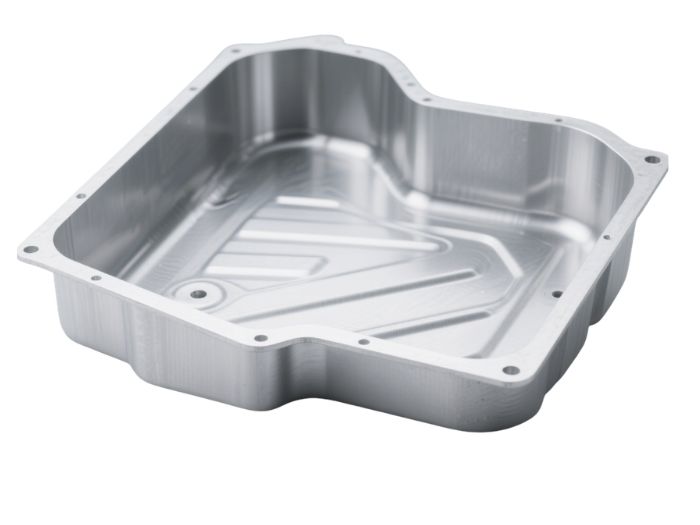
1. Engine
The engine is the heart of the vehicle, converting fuel into mechanical energy to power the vehicle. There are mainly two types of engines:- Internal Combustion Engine (ICE): Uses fuel (gasoline or diesel) and air mixture to produce energy.
- Electric Motor: Runs on electricity stored in batteries and is increasingly common in electric vehicles (EVs).
Key Components of an Engine
- Cylinders: Where the fuel-air mixture ignites.
- Pistons: Move up and down within the cylinders.
- Crankshaft: Converts the linear motion of the pistons into rotational motion.
- Camshaft: Controls the timing of the valves.

2. Transmission
The transmission is responsible for transferring power from the engine to the wheels. It allows the vehicle to change speeds and provides torque, optimizing performance.Types of Transmission
- Manual Transmission: Requires the driver to shift gears manually.
- Automatic Transmission: Changes gears automatically based on speed and engine load.
- Continuously Variable Transmission (CVT): Provides a smooth acceleration without traditional gear shifts.
3. Suspension System
The suspension system connects the vehicle to its wheels and helps maintain contact with the road, providing comfort and stability.Key Components of Suspension
- Shock Absorbers: Control the impact of bumps and vibrations.
- Springs: Support the weight of the vehicle and absorb road shocks.
- Control Arms: Connect the suspension to the vehicle frame.
4. Braking System
The braking system is crucial for vehicle safety, allowing the driver to slow down or stop the vehicle.Types of Brakes
- Disc Brakes: Use a disc and caliper for effective stopping power.
- Drum Brakes: Employ a drum and shoes to create friction and slow down the vehicle.
- Anti-lock Braking System (ABS): Prevents wheel lock-up during hard braking, improving control.
5. Electrical System
Modern vehicles rely heavily on electrical components for operation and convenience.Key Electrical Components
- Battery: Powers the electrical system and starts the engine.
- Alternator: Charges the battery and powers electrical systems while the engine runs.
- Starter Motor: Cranks the engine when starting.
6. Fuel System
The fuel system stores and delivers fuel to the engine.Components of the Fuel System
- Fuel Tank: Stores the fuel.
- Fuel Pump: Delivers fuel from the tank to the engine.
- Fuel Injectors: Spray fuel into the engine’s intake.
Conclusion
Understanding automotive components is essential for effective maintenance and repair. Each part plays a critical role in the performance and safety of a vehicle. As technology advances, automotive components continue to evolve, particularly with the rise of electric vehicles and advanced driver-assistance systems (ADAS). Whether you’re a professional or a hobbyist, having a foundational knowledge of these components can enhance your understanding of vehicle mechanics and greatly contribute to your engagement with the automotive world.This article was published on June 27, 2026, and last updated on July 1, 2026. The article will be continuously updated.