



.webp)
Understanding Automotive Parts: A Comprehensive Guide
Automobiles are intricate machines composed of numerous components, each serving a unique function. Knowledge of these parts is crucial for anyone involved in vehicle maintenance or the automotive industry. This guide explores essential automotive components, their roles, and innovations shaping their development.

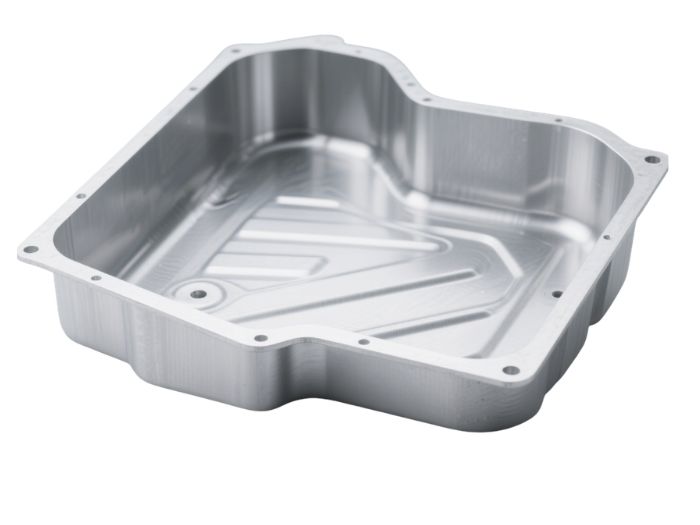
1. Chassis
The chassis is the vehicle's frame, providing the structural integrity necessary to support all other components. It serves as the foundation for the suspension, engine, and body.Key Functions of the Chassis
- Structural Support: Holds the weight of the vehicle and its contents.
- Impact Absorption: Protects occupants in the event of a collision.
- Stability: Ensures proper alignment and handling characteristics.

2. Exhaust System
The exhaust system directs harmful gases away from the engine and reduces emissions. It plays a critical role in maintaining engine performance and environmental compliance.Main Components of the Exhaust System
- Exhaust Manifold: Collects exhaust gases from the engine.
- Catalytic Converter: Converts harmful substances into less harmful emissions.
- Muffler: Reduces engine noise before gases exit the vehicle.
3. Cooling System
The cooling system is essential for regulating engine temperature to prevent overheating. It ensures optimal operating temperatures for efficiency and longevity.Key Components of the Cooling System
- Radiator: Dissipates heat from the engine coolant.
- Water Pump: Circulates coolant throughout the engine and radiator.
- Thermostat: Regulates the flow of coolant based on temperature.
4. Steering System
The steering system allows the driver to control the direction of the vehicle smoothly and accurately. Its design can significantly influence handling and driving experience.Types of Steering Mechanisms
- Rack and Pinion: Most commonly used, offering a straightforward and responsive handling feel.
- Recirculating Ball: Typically found in larger vehicles, providing a heavier steering feel.
- Electronic Power Steering (EPS): Uses sensors and motors for steering assistance, enhancing fuel efficiency.
5. Tires
Tires are the only contact point between the vehicle and the road, making them crucial for safety, performance, and fuel efficiency.Key Functions of Tires
- Traction: Provides grip for acceleration, braking, and cornering.
- Shock Absorption: Helps absorb road imperfections for a smoother ride.
- Temperature Management: Maintains performance under various driving conditions.
6. Safety Features
Modern vehicles are equipped with various safety features designed to protect occupants and enhance overall driving safety.Common Safety Components
- Airbags: Deploy in the event of a collision to cushion occupants.
- Seatbelts: Prevent ejection from the vehicle during accidents.
- Anti-lock Braking System (ABS): Prevents wheel lockup, allowing for better control during braking.
Conclusion
Understanding the various automotive components and their functions is vital for anyone involved in vehicle operation or maintenance. From the frame of the chassis to the intricacies of the engine, each part plays a pivotal role in ensuring performance, safety, and reliability. As automotive technology evolves, staying informed about these components can enhance your knowledge and appreciation of modern vehicles, paving the way for more informed consumer choices or professional expertise in the automotive field.This article was published on June 27, 2026, and last updated on July 1, 2026. The article will be continuously updated.